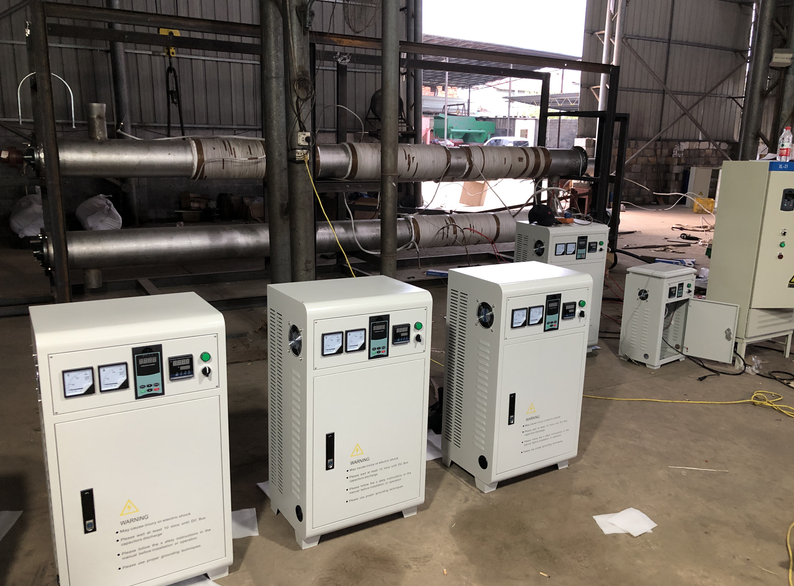
Explanation of the structure of industrial induction heating systems:
By understanding the principle and selecting appropriate equipment, you can easily achieve energy-saving upgrades.
Currently, in the trend of energy conservation in the industrial world, many enterprises are paying attention to the "industrial induction heating system" as an efficient and environmentally friendly heating method. Especially in fields such as steam generation, plastic processing, and pipe heating, induction heating technology is gradually replacing traditional resistance heating and gas heating and becoming more and more popular.
However, many users may have questions:
"How exactly is an induction heating system structured? Is its mechanism complex?"
In fact, it's not that complex. In this article, we'll briefly explain the structure of an industrial induction heating system in easy - to - understand language.
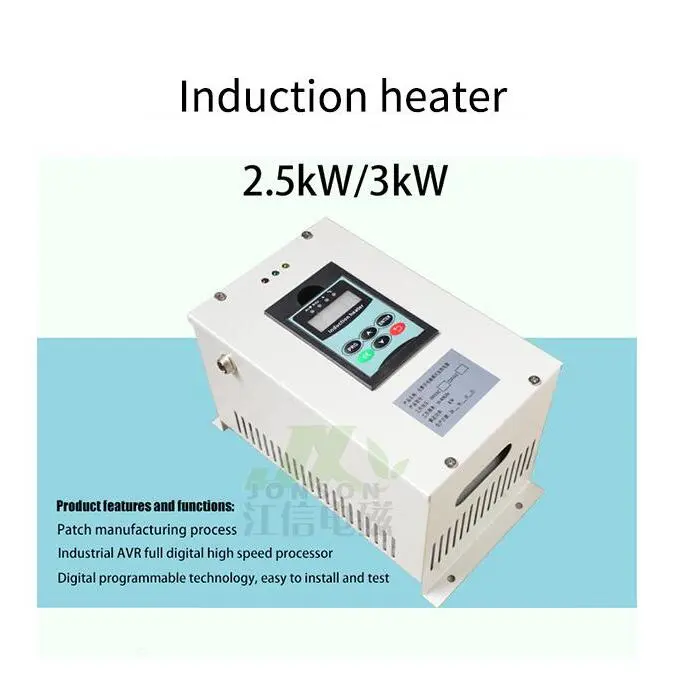
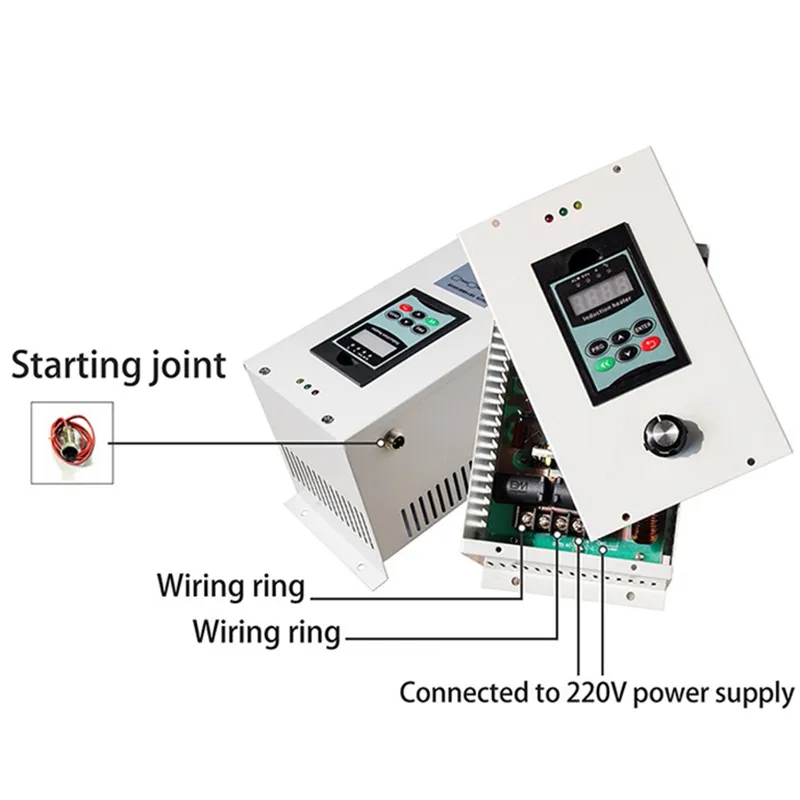
I. What is an industrial induction heating system?
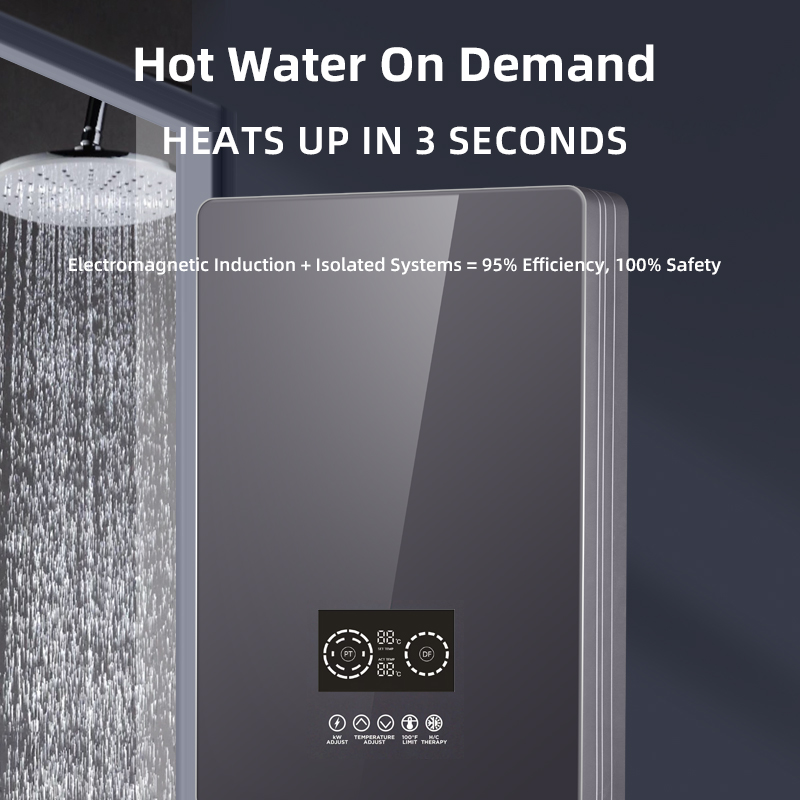
Simply put, it is a heating system that uses electromagnetic induction to make metals generate heat on their own.
Different from the traditional method of "first heating the heater and then transferring the heat", induction heating directly generates heat inside the metal. As a result, there is less heat loss, a faster heating rate, and higher efficiency. This is the core reason for energy conservation.
II. Main components of an industrial induction heating system (key points)
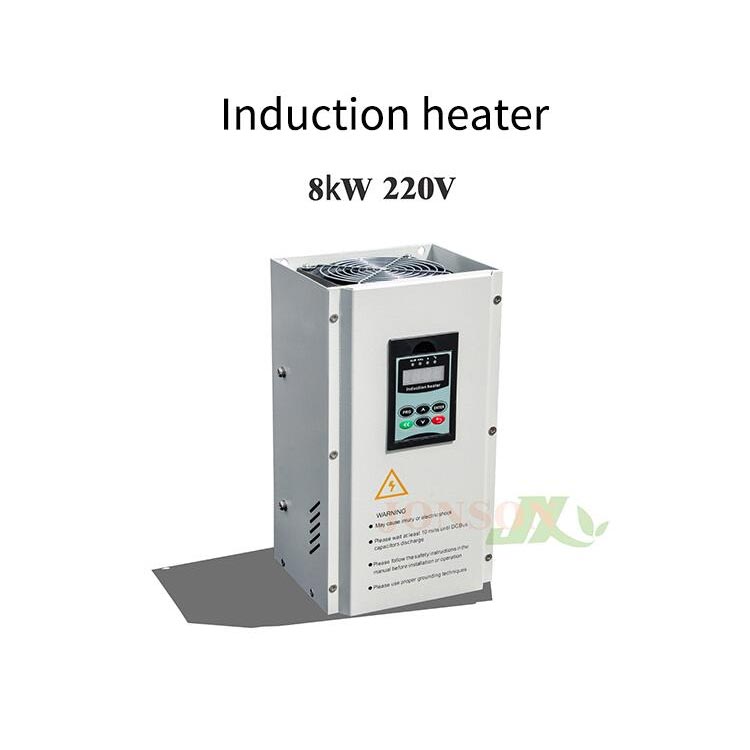
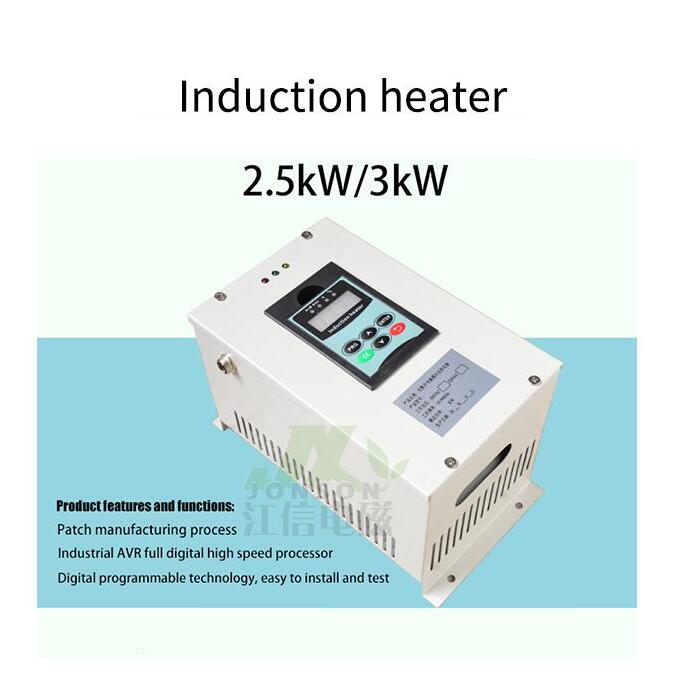
A complete industrial induction heating system is mainly composed of the following four main parts.
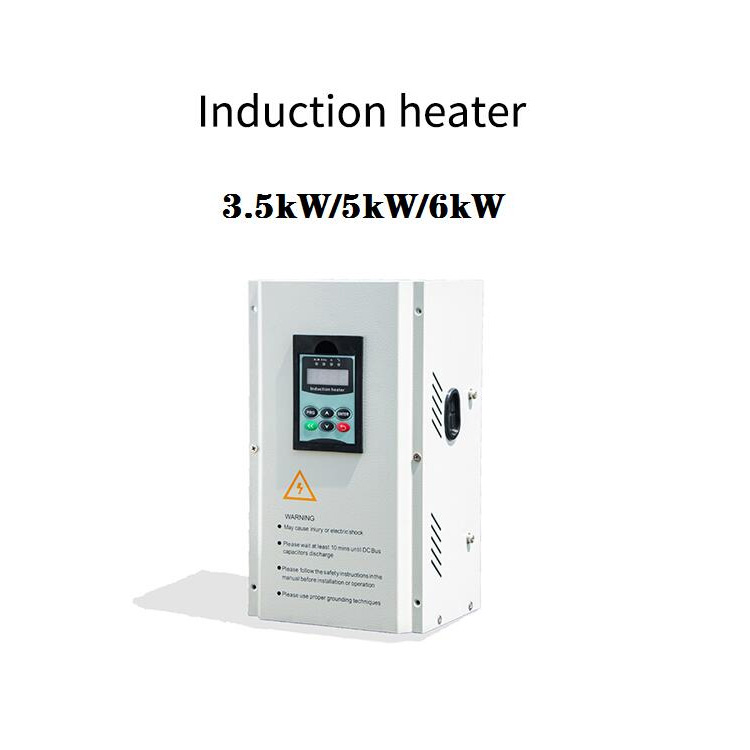
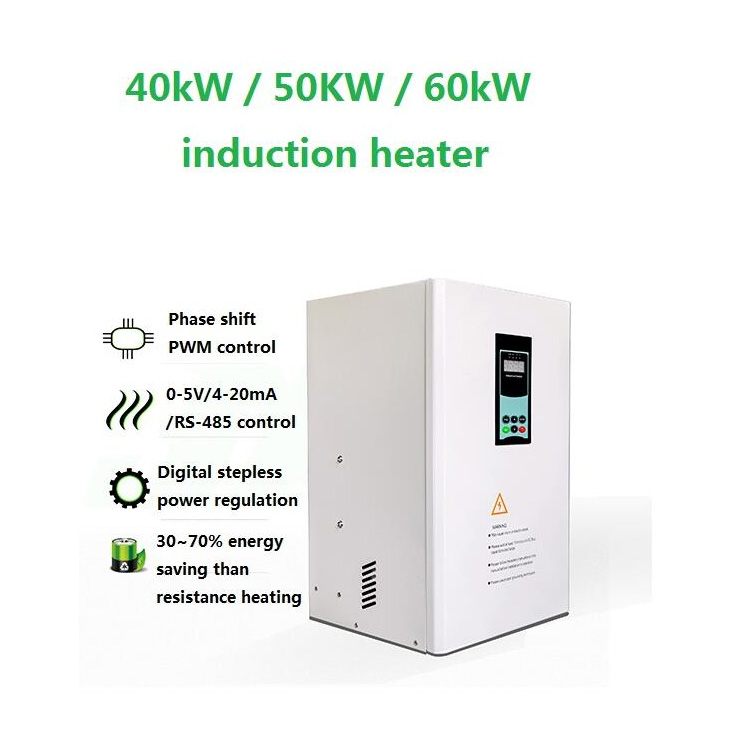
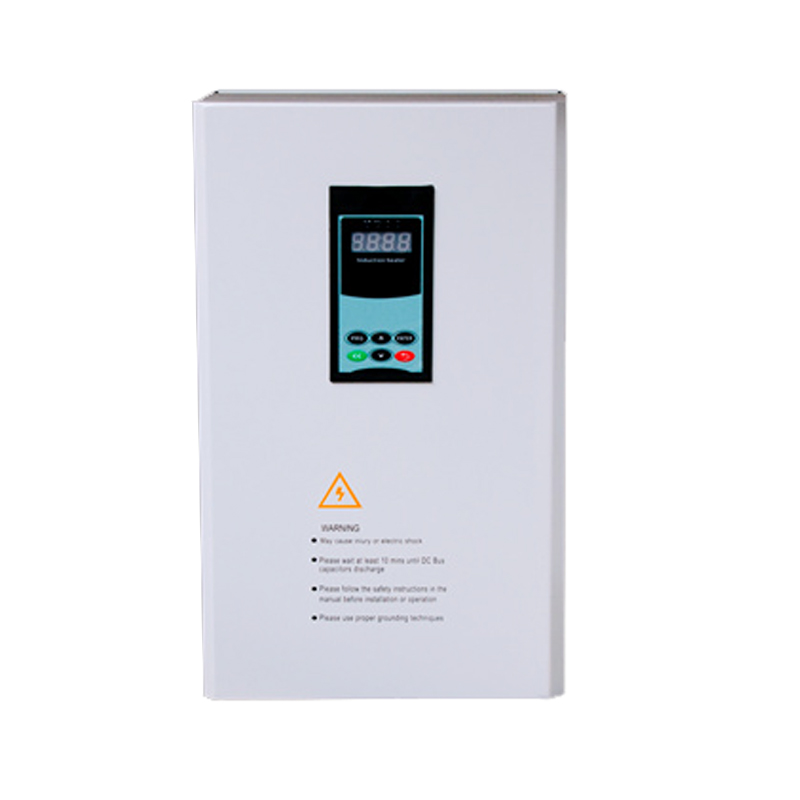
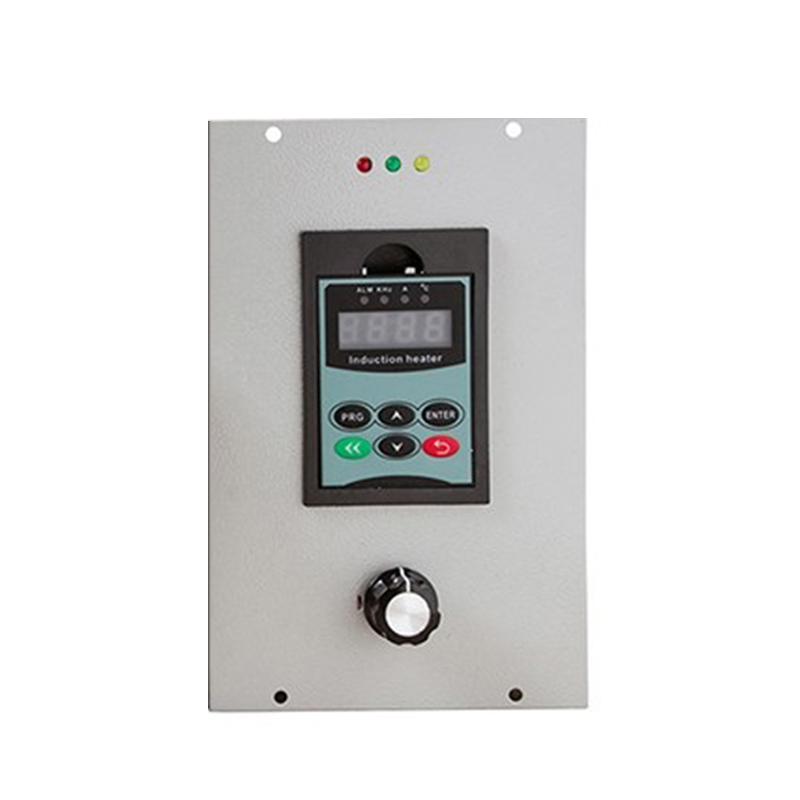
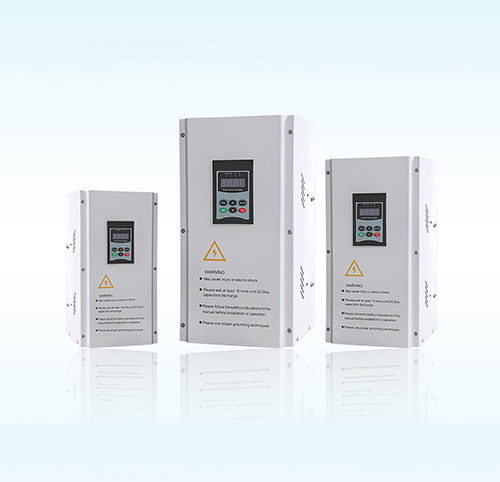
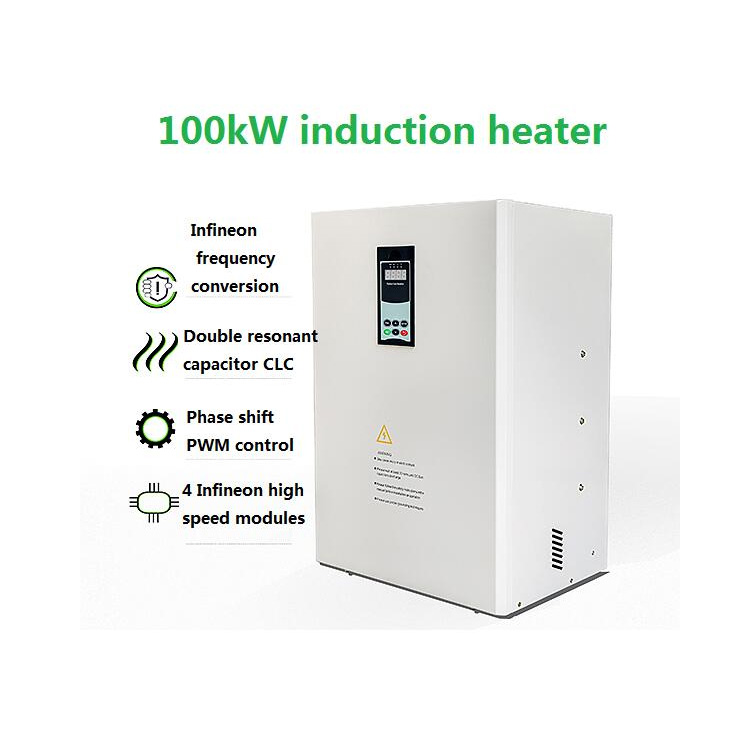
1. Main control power supply (the brain of the system)
- It is the "heart" of the whole system and is responsible for converting industrial - frequency power (50Hz) into high - frequency or medium - frequency current.
- Features: Stable output, adjustable output, and intelligent control of temperature, frequency, and output are possible.
- Analogy: Just like the "processor" of a smartphone, it determines the performance of the system.
2. Induction coil (the core of energy transfer)
- It is the part that directly generates the electromagnetic field.
- It converts electrical power into electromagnetic energy and acts on metal products.
- Features: Can be customized according to the device size, installed in close contact with the heating part, and designed to be removable for easy maintenance.
- Analogy: It's like the "outer shell" of heating, but it doesn't generate heat itself; instead, it promotes the metal to generate heat.
3. Heated object (metal product)
- Examples: The barrel of an injection molding machine, pipes, molds, the inner tank of a steam generator, etc.
- Under the action of the electromagnetic field, eddy currents are generated inside the metal, causing it to generate heat.
- Main advantages: It can be heated uniformly because the heat is generated from the inside, with high thermal efficiency (over 90%) and improved accuracy.
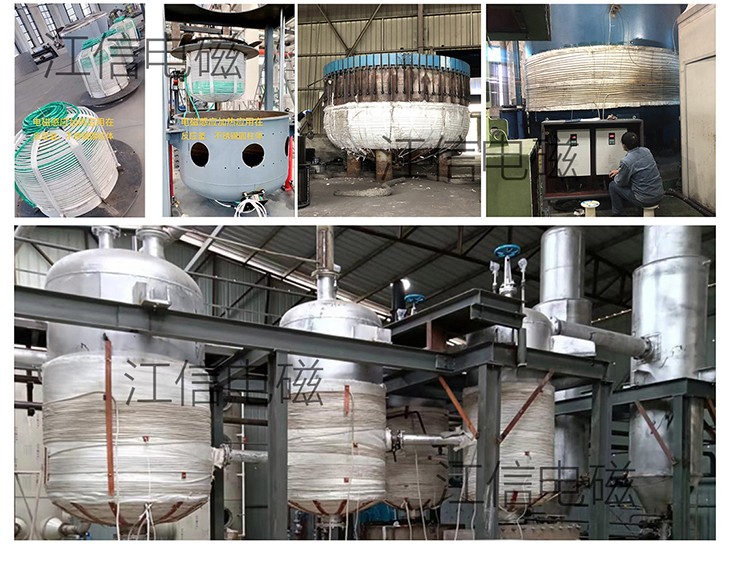
۴. لایه عایق (کلید صرفهجویی در انرژی)
- اغلب نادیده گرفته میشود اما بسیار مهم است.
- از هدر رفتن گرما به بیرون جلوگیری میکند.
- مواد مورد استفاده: پنبه عایق نانو، مواد عایق دمای بالا و غیره
- مزایا: اثر صرفهجویی قابل توجه در مصرف انرژی، دمای پایینتر در محل کار و ایمنی بهبود یافته.
III. اصول عملکرد سیستم (با یک نگاه به راحتی قابل درک است)
کل فرآیند را میتوان به صورت زیر خلاصه کرد:
برق→میدان الکترومغناطیسی→تولید گرما در داخل فلز→حفظ گرما توسط لایه عایق
جریان خاص:
- جریان فرکانس بالا از منبع تغذیه خارج میشود.
- سیم پیچ القایی یک میدان مغناطیسی متناوب تولید می کند.
- جریانهای گردابی در داخل فلز تولید میشوند.
- جریانهای گردابی به انرژی حرارتی تبدیل میشوند.
- لایه عایق، اتلاف گرما را کاهش میدهد.
- نیازی به انتقال حرارت واسطه نیست و نرخ بهرهبرداری از گرما بالاست.
چهارم. چرا بسیاری از کارخانهها آن را اتخاذ میکنند؟
وقتی ساختار را درک کنید، مزایای آن آشکار میشود:
- اثر صرفهجویی آشکار در مصرف انرژی (20 تا 40 درصد صرفهجویی)
- زیرا می تواند اتلاف گرما و گرمایش غیرضروری را کاهش دهد.
- سرعت گرمایش سریع
- میتواند بلافاصله گرمایش را شروع کند و زمان انتظار را تا حد زیادی کاهش دهد.
- کنترل دقیق دما
- ایدهآل برای ماشینکاری دقیق و تولید پایدار.
- هزینه نگهداری پایین
- بدون سیمهای مقاومتی یا حلقههای گرمایشی، کمتر مستعد خرابی است.
- قابلیت بازسازی آسان
- میتوان آن را گام به گام و بدون تعویض کل دستگاه ارتقا داد.
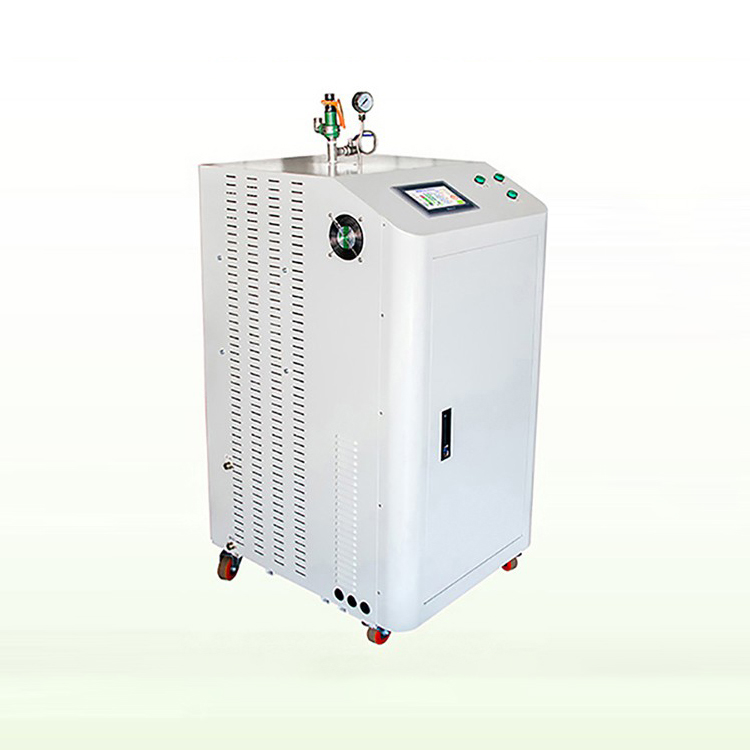
V. کاربرد کلیدی: مولد بخار الکترومغناطیسی (بسیار توصیه میشود)
در میان کاربردهای فراوان، مولد بخار الکترومغناطیسی در سالهای اخیر به سرعت رشد کرده است. دلیل آن این است که دستگاههای بخار سنتی مشکلات زیر را دارند:
- راندمان حرارتی پایین و مصرف انرژی بالا.
- راه اندازی کند.
از سوی دیگر، با اتخاذ روش گرمایش القایی:
- بخار به سرعت تولید میشود.
- راندمان حرارتی بهبود یافته است.
- اثر صرفهجویی در مصرف انرژی قابل توجه است.
- ایمنتر است (بدون شعله، بدون خطر فشار).
به ویژه برای کاربردهای زیر مناسب است:
فرآوری مواد غذایی
صنایع شیمیایی
ضدعفونی پزشکی
نظافت صنعتی
ششم. نتیجهگیری: ساختار ساده اما ارزشمند
در نگاه اول، سیستم گرمایش القایی صنعتی ساختار سادهای دارد و از چهار عنصر زیر تشکیل شده است:
منبع تغذیه + کویل + بدنه فلزی + لایه عایق
با این حال، تغییراتی که به همراه دارد بسیار قابل توجه است و به تحولات زیر منجر میشود:
از گرمایش خارجی تا تولید گرمای داخلی
از مصرف انرژی بالا تا راندمان بالا
از تجهیزات سنتی گرفته تا یک سیستم هوشمند و کممصرف
در نهایت (برای افزایش نرخ تبدیل)
اگر کارخانه شما با مشکلات زیر مواجه است، لطفاً آن را در نظر بگیرید:
افزایش قبوض برق
راندمان گرمایش پایین تجهیزات
دمای بیش از حد بالا در محل کار
مصرف بالای انرژی سیستم بخار
در چنین مواردی، سیستم گرمایش القایی صنعتی، به ویژه مولد بخار الکترومغناطیسی، باید در اولویت ارتقاء قرار گیرد.
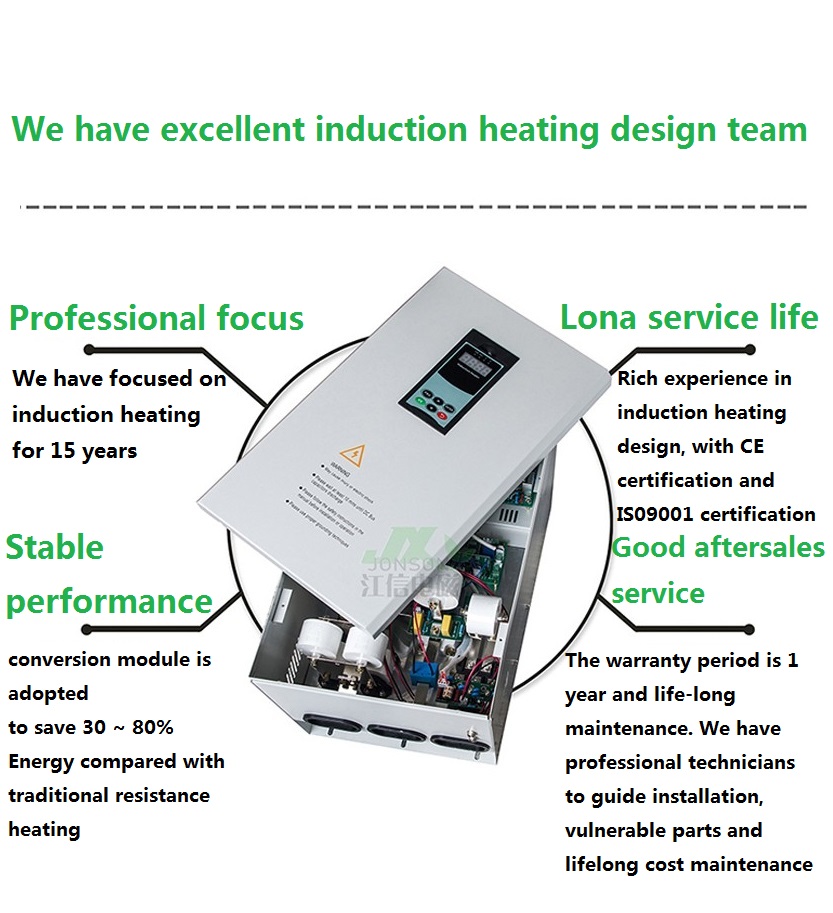
شرکت ما بیش از 15 سال است که در زمینه فناوری گرمایش الکترومغناطیسی صنعتی تخصص دارد و خدمات زیر را ارائه میدهد:
ارائه طرحهای مقاومسازی گرمایش القایی
سفارشیسازی مولدهای بخار الکترومغناطیسی
طراحی سیستمهای جامع صرفهجویی در مصرف انرژی
اگر به یک طرح حرفهای برای بهینهسازی مصرف انرژی نیاز دارید، لطفاً با ما مشورت کنید. بیایید تجهیزات شما را از یک دستگاه پرمصرف برق به یک دستگاه پرمصرف و سودآور تبدیل کنیم.